Introduction
Tesla's Full Self-Driving (FSD) technology has garnered significant attention globally, with its potential to enhance driving safety and convenience being highly anticipated. However, FSD's rollout in Europe has encountered numerous obstacles. Tesla CEO Elon Musk recently publicly expressed his strong dissatisfaction with European regulatory bodies for delaying FSD approval, stating that it is not only frustrating but also potentially detrimental to the safety of European citizens. This article will delve into the challenges FSD faces in Europe and Musk's perspective on the matter.
FSD's Predicament in Europe: A Long Wait for Regulatory Approval
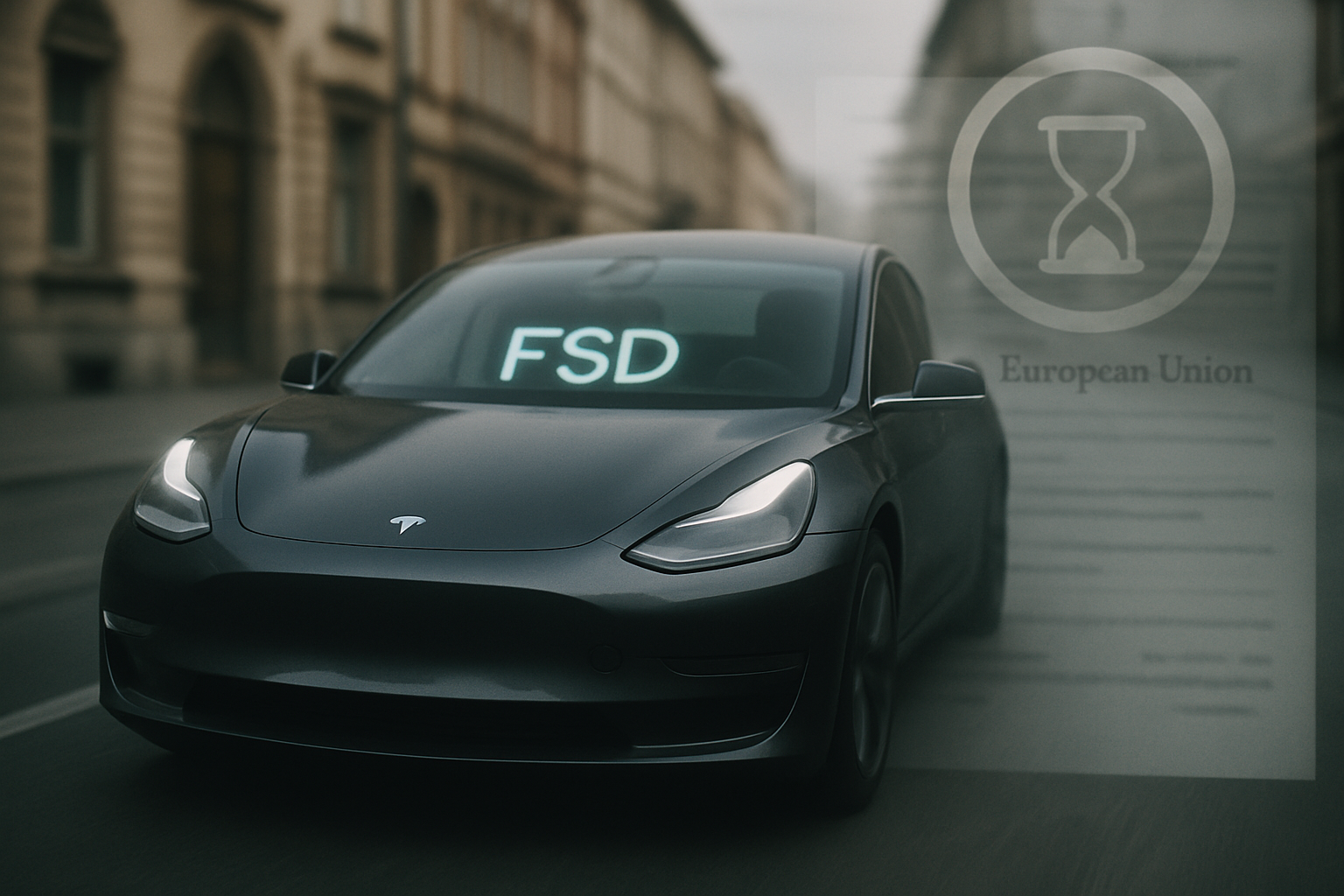
Tesla originally planned to introduce FSD to the European market in 2025, but this process has been much slower than anticipated. Musk stated on the social media platform X that Tesla is still awaiting approval from both the Dutch government and EU regulatory bodies. He emphasized that despite the significant progress made in FSD technology, Europe's regulatory processes have lagged, bringing FSD's deployment to a standstill.
Musk pointed out that the delayed launch of FSD in Europe means that European consumers cannot benefit from the safety advantages offered by this technology. He cited data indicating that Tesla vehicles equipped with advanced Autopilot features have a four times lower injury rate in accidents compared to human-driven vehicles. Therefore, he believes that the regulators' procrastination is effectively "depriving citizens of a safer mode of travel."
Musk's Appeal: Balancing Safety and Innovation
Musk urged European government agencies to expedite FSD approval so that the technology can benefit European citizens as soon as possible. He believes that the promotion of FSD is not only a technological innovation but also a positive contribution to public safety. He emphasized that Tesla has always prioritized safety in the development of FSD and has adopted an extremely cautious strategy.
Notably, Tesla is preparing to launch a fully driverless Robotaxi platform in the United States, with the first public test rides expected in the coming days. This indicates that Tesla has made groundbreaking progress in autonomous driving technology. However, regulatory barriers in the European market have made it difficult for this mature technology to be implemented.
The Game Between Regulation and Innovation: Europe's Challenge
FSD's setback in Europe reflects the common challenges faced in the global promotion of autonomous driving technology. Different countries and regions have varying regulatory attitudes towards autonomous driving, and approval processes are complex and time-consuming. Europe's relatively conservative regulatory approach in autonomous driving is, to some extent, aimed at ensuring the safety and reliability of the technology. However, excessive caution may also hinder the widespread adoption of innovative technologies, thereby missing out on the social benefits they bring.
For Tesla, the European market is of paramount importance. Europe is one of the world's major automotive markets and a pioneer in electric vehicle adoption. The successful promotion of FSD in Europe will help Tesla further solidify its leading position in the electric vehicle and autonomous driving sectors.
Conclusion
Tesla FSD's frustrated launch in Europe is a microcosm of the struggle between technological innovation and regulatory approval. Musk's helplessness and appeal highlight the importance of balancing innovation and regulation while ensuring safety when promoting cutting-edge technologies. In the future, how European regulatory bodies weigh safety against innovation will directly impact FSD's fate in Europe and have a profound influence on the development of autonomous driving technology worldwide.